Payment Plans for Taxes Owed A Practical Guide
The good news is that the IRS has structured ways to handle this. The most common path forward is an official payment plan, which is simply a formal agreement that lets you chip away at your tax debt with manageable monthly payments. Setting one up stops the aggressive collection letters and calls, putting you back in the driver's seat.
What to Do When You Can't Pay the IRS

When you owe the IRS, time is not on your side. Procrastination becomes your biggest enemy because penalties and interest start piling up the day after the tax deadline. The longer you wait, the deeper the hole gets, and the harder it is to climb out.
The IRS hits you with penalties for a few reasons, but the big two are failure to file and failure to pay. Here’s a critical point that trips up so many people: getting an extension to file your tax return does not give you an extension to pay your taxes. That payment deadline is firm, and missing it triggers penalties right away.
Understanding the Initial Steps
Before you even start thinking about payment plans for taxes owed, your top priority is to get your tax return filed on time. Do this even if you don't have a dime to send with it. Why? The failure-to-file penalty can be a staggering ten times higher than the failure-to-pay penalty. Filing on time is your first and best defensive move.
Once that's done, it's time for an honest look at your finances.
Verify the Debt: First, double-check the amount the IRS says you owe. Does it match your records?
Scrutinize Your Budget: Figure out what you can realistically afford to pay each month without fail.
Look at Other Options: Is it possible to get a personal loan from your bank or credit union? Sometimes, their interest rates are lower than the combined IRS penalty and interest rates.
This financial self-assessment is non-negotiable. If you propose a monthly payment you can't keep up with, you'll default on the agreement, and you’ll be in a worse position than when you started.
And if you're feeling overwhelmed, know that you're in good company. In a single recent year, the IRS reported that over 13 million taxpayers set up installment agreements to manage more than $120 billion in tax debt. You can read more about taxpayer statistics and trends to see just how common this is.
The Consequences of Inaction
Ignoring IRS notices is a recipe for disaster. The problem won't vanish; instead, the agency will ramp up its collection efforts. This isn't just more letters—it can get serious, fast.
Common escalation tactics include:
Filing a Notice of Federal Tax Lien: This is a public legal claim against your property. It craters your credit score and makes it incredibly difficult to sell property or get new credit.
Issuing a Levy: This is when the IRS legally seizes your assets. They can take money directly from your bank accounts, garnish your wages, and in extreme cases, even seize your car or home.
The key takeaway is simple: proactive communication is your best defense. The IRS is far more willing to work with you if you acknowledge the debt and try to find a solution. They have little patience for people who ignore them.
By facing the problem head-on, you can get a payment plan that works for your budget, halt the most severe collection threats, and create a clear path back to financial stability. It turns a moment of panic into a manageable plan.
Choosing the Right IRS Payment Plan
Figuring out you owe the IRS can be a stomach-dropping moment. But the good news is, you have options. The IRS isn't looking to ruin your life; they just want to get paid, and they have structured plans to help you do just that.
The key is to understand that a temporary cash crunch is a completely different problem than a long-term financial struggle. That’s why the IRS offers two main paths: a short-term extension and a long-term installment plan. Your financial reality—how much you owe and how fast you can realistically pay it back—will point you to the right one.
When You Just Need a Little More Time
The Short-Term Payment Plan is your best bet when you know the money is coming, just not right now. It gives you up to 180 extra days to pay your tax bill in full. Think of it less as a formal payment plan and more as a brief, official extension.
I see this all the time with freelancers and small business owners. For example, a web developer might owe $8,000 in taxes from a great year, but their biggest client is on a 90-day payment cycle. The money is essentially on its way. A short-term plan is perfect here. It provides the breathing room they need without the hassle of a more complex agreement.
Here’s what you need to know about this option:
No Setup Fee: This is a huge plus. The IRS generally doesn't charge you to set this up.
Interest and Penalties Still Apply: Be aware that interest and the failure-to-pay penalty don't stop. They'll keep adding up until you’ve paid the balance to zero.
The Debt Limit: This plan is generally for people whose total bill—including tax, penalties, and interest—is under $100,000.
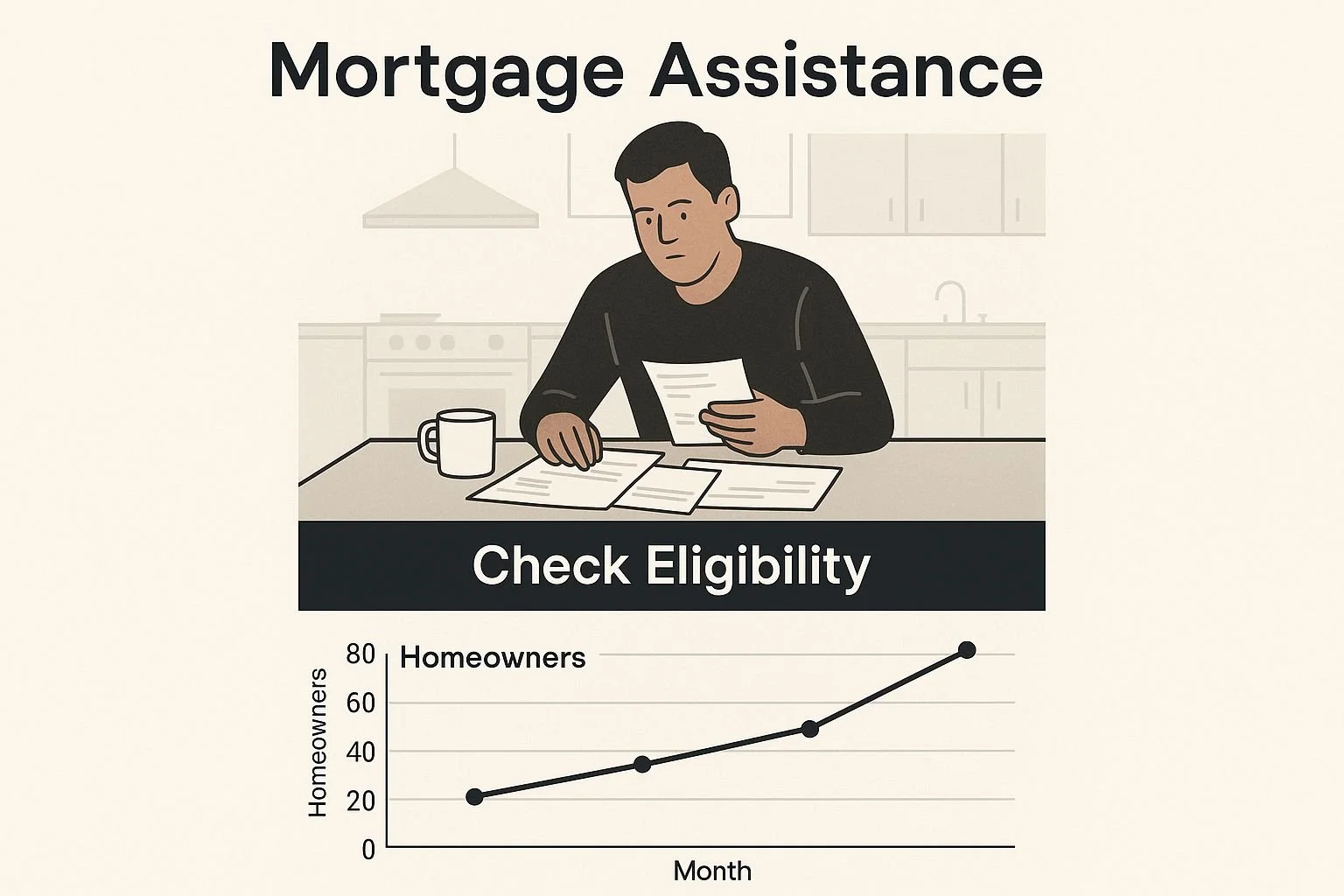
This image really gets to the heart of it: you have to run the numbers and see what your finances can handle before you commit to a plan with the IRS.
For Bigger Balances That Need a Longer Runway
What if your tax bill is too big to handle in six months? That’s where the Long-Term Installment Agreement comes in. This is a more formal arrangement that lets you make predictable monthly payments for up to 72 months (that’s six years). It's designed for people who need to chip away at a substantial tax debt without breaking their monthly budget.
Let’s say a teacher had to take an early 401(k) withdrawal for a medical emergency, landing them with an unexpected $20,000 tax liability. There's no way they can pay that off quickly. A long-term agreement breaks that intimidating number down into manageable monthly payments.
A long-term agreement is a serious commitment. The IRS will expect those payments on time, every month. You also have to stay on top of all your future tax filings and payments while the agreement is active. Falling behind can put the whole deal at risk.
Because it’s a more formal setup, there are a few more moving parts:
Setup Fees Apply: You’ll have to pay a one-time fee to get started. The cost varies, but you'll get the best rate by applying online.
Penalty Reduction: Here’s a major benefit: the IRS often cuts the failure-to-pay penalty rate in half, from 0.5% down to just 0.25% per month, once your plan is approved.
Direct Debit is Your Friend: You can have payments automatically withdrawn from your bank account. This not only makes life easier but can also lower your setup fee.
If you're trying to figure out what a monthly payment might look like, you don't have to guess. You can use tools like Excel financial formulas, such as PMT, to get a solid estimate of your monthly installments and see the total cost over the life of the agreement.
Comparing IRS Payment Plan Types
Making the final call really boils down to an honest look at your finances. Sometimes, seeing the options side-by-side makes the decision much clearer.
This table breaks down the core differences between the two main payment plans.
| Feature | Short-Term Payment Plan (Up to 180 Days) | Long-Term Installment Agreement (Up to 72 Months) |
|---|---|---|
| Best For | Temporary cash flow issues, smaller debts | Larger tax debts requiring extended repayment |
| Repayment Period | Up to 180 days | Up to 72 months |
| Setup Fee | None | Varies (lowest for online, direct debit plans) |
| Total Debt Limit | Under $100,000 (combined) | Under $50,000 to apply online (higher by phone) |
| Failure-to-Pay Penalty | Standard rate (0.5% per month) | Reduced rate (0.25% per month) |
At the end of the day, the logic is simple. If you can confidently pay off your debt within six months, the short-term plan is the easier, cheaper route. If not, don't stretch yourself too thin. The long-term installment agreement provides the structure and time you need to get back on solid ground without derailing your financial life.
Qualifying for an IRS Payment Plan
Before you even think about setting up a payment plan, you have to get past the IRS's first set of hurdles. These aren't just suggestions; they're hard-and-fast rules.
Knowing them upfront will save you a ton of frustration and help you get your application approved without a hitch. The agency isn't trying to make your life difficult—they just need to see that you're ready to get serious about your tax obligations.
The absolute biggest deal-breaker is having unfiled tax returns. If you're behind on filing, the IRS won't even entertain a conversation about a payment plan. It's a complete non-starter. Look at it from their side: how can they agree on a payment amount when they don't even know the full extent of what you owe?
So, your first move—always—is to file every single overdue return. Do this even if you know there's no way you can pay the tax bill for those years right now.
The failure-to-file penalty is much more severe than the failure-to-pay penalty, so getting those returns in stops the bleeding and keeps a bad situation from getting much, much worse.
The Debt Thresholds for Online Applications
The quickest and most painless way to get a payment plan is through the IRS's online system. It's designed for straightforward cases, which means you have to fall within certain financial limits to use it. These numbers are what separate an automatic approval from a process that requires more paperwork and phone calls.
Here’s what those key numbers look like for individual taxpayers:
Short-Term Payment Plan (up to 180 days): You can qualify if your total balance—that’s tax, penalties, and interest combined—is less than $100,000.
Long-Term Installment Agreement: To apply online for a monthly payment plan, your total combined balance needs to be under $50,000.
What if you owe more than $50,000? You're not necessarily out of luck. If your debt is under $250,000, you can often still set up a plan, but you'll likely need to provide more financial details by submitting a Collection Information Statement (Form 433-F). You may also be required to pay via direct debit from your bank account.
For businesses, the magic number for an online agreement is a total balance under $25,000, and this only applies if the business is still operating and all returns have been filed.
Filing History and Compliance Are Key
Your track record with the IRS matters. A lot. When you apply for payment plans for taxes owed, they look at your entire history of compliance. Being caught up on filing is step one, but they're also looking at your past behavior.
For example, if you've defaulted on an IRS payment plan before, expect extra scrutiny. They want to be confident that this time is different. That means you need to show you can handle your current tax obligations while paying down the old debt. This could involve adjusting your W-4 withholding at work or making your quarterly estimated tax payments on time.
Crucial Insight: The IRS system is set up to help people who are actively trying to get right with their taxes. By filing all your returns and showing a clear plan to stay current, you're signaling to the agency that you're a good-faith taxpayer. That simple act can make the approval process incredibly smooth.
At the end of the day, you have to convince them that this payment plan is a permanent solution, not just a temporary patch on a recurring problem.
Let's take a real-world example. Say a freelance writer fell behind for two years during a slow period. Before they even click "apply" on the IRS website, they need to:
File both overdue tax returns immediately.
Calculate their estimated tax payment for the current quarter and send it in.
Confirm their total debt is within the online application limits.
By taking these steps first, they're no longer seen as someone ignoring their responsibilities. Instead, they look like a taxpayer who is proactively getting back on track, which dramatically increases the odds of their plan being approved without any trouble.
Getting Your Payment Plan Set Up Online
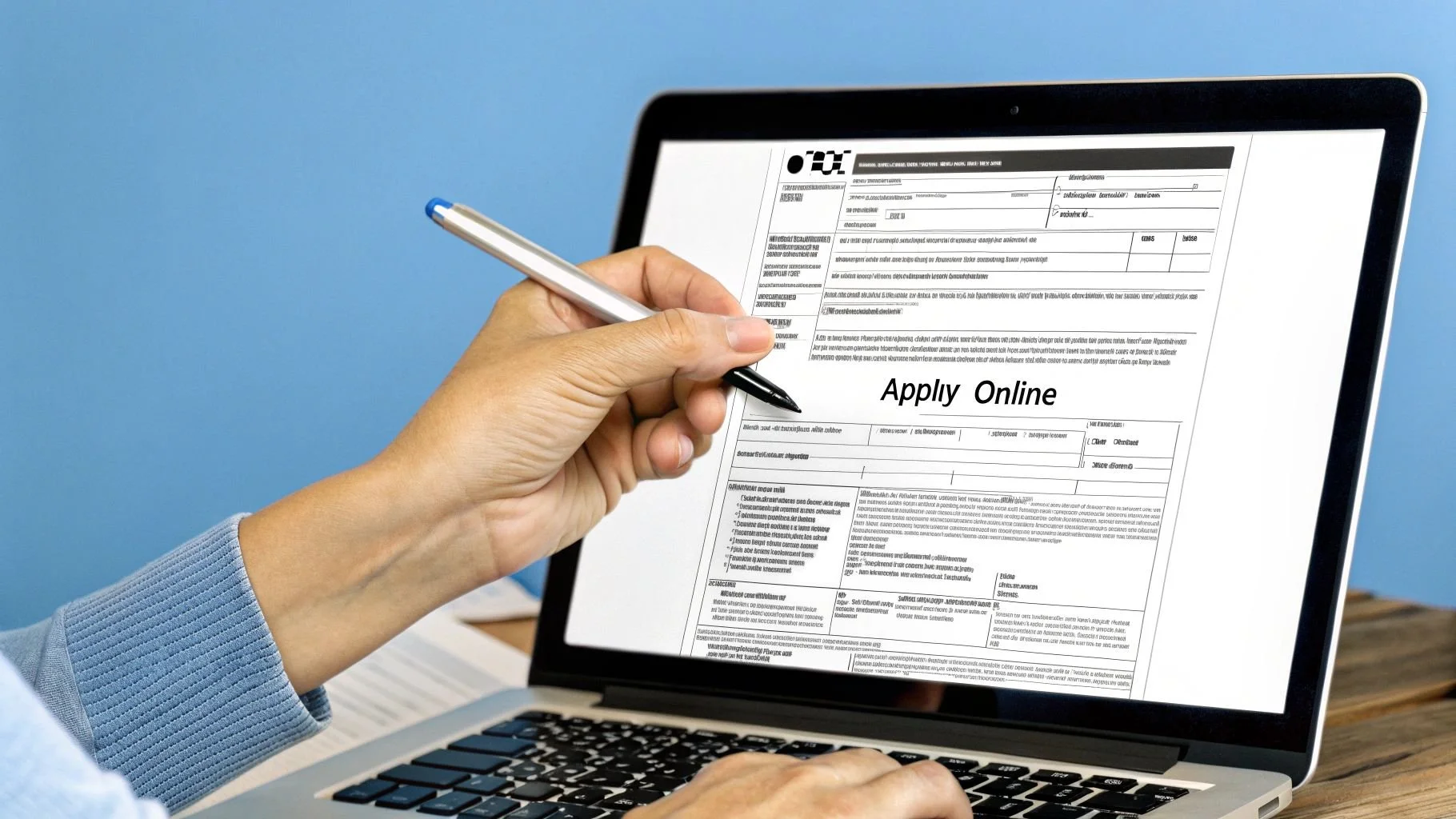
Without a doubt, the easiest way to arrange payment plans for taxes owed is through the IRS's own Online Payment Agreement (OPA) tool. This portal is your direct line to the IRS, and for most people, it delivers an instant decision. No waiting on hold, no phone tag—just you proposing a plan on your own terms.
But before you even open your browser, let's talk prep work. The online application is timed, and the last thing you want is to get booted out mid-session and have to start over. Think of it like gathering your ingredients before you start cooking; a little organization upfront makes the whole process run smoothly.
The Pre-Application Checklist
You'll need a few key pieces of information to verify your identity and tax situation. Don't even think about starting the application until you have these items laid out on your desk:
Your Personal Details: Grab your most recent tax return and copy your full name, current address, and date of birth exactly as they appear.
A Valid Email Address: This is where the IRS will send confirmation once your plan is approved.
Your SSN or ITIN: You'll need this for yourself, and for your spouse if you filed a joint return.
The Exact Amount You Owe: Pull out your most recent IRS notice (like a CP14) and find the total balance due. Precision is key here.
Bank Account Info (Optional but Recommended): If you want to set up automatic payments via direct debit, have your bank routing and account numbers ready. This move often gets you a lower setup fee.
Got all that? Great. Now you’re ready to tackle the application with confidence.
Working Through the IRS Online Portal
The OPA tool is actually pretty intuitive. It walks you through a series of questions to figure out your eligibility and set up the agreement. The first step is always authenticating your identity to keep your financial data safe and secure.
After you’re logged in, the system will show you the tax years where you have a balance. From there, it will present the payment options you qualify for. This is usually a choice between a short-term plan (up to 180 days) or a long-term installment agreement.
A Word of Caution: The OPA tool will often propose a minimum monthly payment calculated from your total debt and the maximum 72-month repayment term. Don't just click "accept." Always cross-reference this number with your actual household budget. It is always better to propose a slightly higher payment you know you can afford than to agree to their number and risk a default down the road.
Proposing a Monthly Payment You Can Live With
This is where the rubber meets the road. You’ll be asked to propose a monthly payment amount and select a due date. This isn't the time for wishful thinking—be brutally honest with yourself about what you can comfortably afford.
Let's look at a real-world example.
A freelance writer owes the IRS $12,000. The system suggests a minimum payment of $167 per month. After looking at their budget, the writer sees that while they could swing $250 in a good month, their income fluctuates. A much safer commitment is $200.
They should absolutely propose the $200 payment. Here's why:
It Prevents Default: A manageable payment is one you won't miss, even during a slow work month.
It Builds a Good Track Record: The IRS values consistency. Making every payment on time is crucial for resolving your debt smoothly.
You're Never Locked In: The proposed amount is your minimum payment. In months where you land a big project, you can always pay more to chip away at the principal and save on interest.
Once you submit your proposed plan, the OPA system gives you an immediate answer. If it's accepted, you get instant confirmation with all the details of your new agreement. You can save or print a copy right then and there. That immediate approval is a huge relief and one of the best parts of using the online system.
What to Do After Your IRS Payment Plan is Approved
Getting that approval letter for your IRS payment plan is a huge relief, but don't get too comfortable. This is where the real work begins. Sticking to the plan requires discipline, and you have to stay on top of it, especially if life throws you a financial curveball.
The IRS has a couple of hard-and-fast rules you must follow to keep your agreement active. Breaking them can undo all the effort you put into getting the plan in the first place, putting you right back in the hot seat.
The Two Golden Rules for Staying on Track
Think of your payment plan as a serious commitment with two non-negotiable terms. Mess up either one, and you risk defaulting.
Never Miss a Payment: This one’s a no-brainer. Whether you set up automatic withdrawals, calendar reminders, or plaster sticky notes on your monitor, your payment absolutely must be sent on time, every single month. Consistency is your best friend here.
File and Pay All Future Taxes on Time: The IRS needs to see you’re staying current. While you're paying off old debt, you have to file all your future tax returns by their deadlines. If you're self-employed, this includes your quarterly estimated taxes. On top of that, you must pay any new taxes you owe for those new returns in full.
Following these rules shows the IRS you're serious about getting right with them, which goes a long way.
The High Cost of Defaulting
Defaulting on your payment plan is a big deal. It effectively rips up your agreement with the IRS, and the fallout can be swift and harsh. Once your plan is terminated, the agency can ramp up its collection efforts immediately.
Here’s what that could look like:
Penalties Come Roaring Back: That reduced failure-to-pay penalty you got ( 0.25% per month) will likely jump back up to the full rate.
Aggressive Collections Restart: The IRS won't hesitate to issue a bank levy or start garnishing your wages. The protective shield of your payment plan is gone.
A Federal Tax Lien Becomes Likely: If the IRS hadn't already filed a tax lien against your property, defaulting makes it a very real possibility.
A default isn't a slap on the wrist; it's a full-blown escalation. You lose all the protections of your payment plan and are once again exposed to the IRS's most powerful collection tools. Getting a new plan after a default is possible, but it’s a much tougher hill to climb.
What to Do If You Can't Make a Payment
Life is unpredictable. A sudden job loss, an unexpected medical bill, or a business hitting a slow patch can make that monthly payment feel impossible. The worst thing you can do is bury your head in the sand and just stop paying. Trust me, the IRS will notice.
The key is to get out in front of the problem. If you know you’re going to have trouble making a payment, call the IRS before it's due. Use the phone number on your agreement notice, explain what's happening, and be honest. You might be surprised at the options. An agent could potentially offer a temporary payment pause or even renegotiate the monthly amount based on your new circumstances.
Let's say you're a freelance writer paying $300 a month and you lose your biggest client. Instead of ghosting the IRS, you call them. By explaining the situation and showing proof of your reduced income, you might be able to get your payment temporarily lowered to $100 a month while you find new work. That simple phone call keeps your plan active and saves you from the disaster of a default.
Common Questions About IRS Payment Plans
When you're dealing with tax debt, a lot of questions pop up. Even after you've set up a payment plan, life happens, and new concerns can come to light. Let's walk through some of the most common questions people ask when they owe the IRS.
What if I Can't Afford the Monthly Payment?
It’s a scenario that keeps people up at night: the IRS determines a monthly payment that you just can't make. If this happens to you, don't panic. You have other options, though they are more involved.
One route is an Offer in Compromise (OIC). This is a deal where the IRS agrees to let you settle your tax bill for less than what you originally owed. But be warned, getting an OIC approved is tough. The IRS will put your finances under a microscope, looking at everything from your income and assets to your future earning potential.
Another possibility is getting your account placed in Currently Not Collectible (CNC) status. This isn't a get-out-of-jail-free card; it's a temporary pause button.
If you can prove that paying your taxes would keep you from affording basic living costs like food and rent, the IRS might halt collection attempts for a while. Your debt doesn't go away—in fact, it keeps growing with interest—but it does give you some much-needed breathing room.
Can I Set Up a Plan if I Haven't Filed All My Returns?
That’s a hard "no" from the IRS. Before they’ll even consider a payment plan, you have to be completely up-to-date on all your tax filings. Think of it as the price of admission to start negotiations.
Your first, non-negotiable step is to prepare and file every single overdue tax return. This is critical even if you know you can't pay the tax you owe for those years. Once the IRS processes all your returns and knows the full scope of your debt, then you can officially apply for an installment plan to tackle the total balance.
Having a solid grasp of how your income is taxed, including things like your federal retirement income tax, is key to managing your finances and avoiding these tough situations in the first place.
Do Interest and Penalties Keep Adding Up?
Yes, they absolutely do. An installment agreement is a fantastic way to stop more aggressive collection actions like a bank levy, but it doesn't freeze your account. Interest and penalties will continue to pile up on your unpaid balance until you've paid it off.
But there's a pretty big silver lining here. Once your long-term payment plan is officially in place, the IRS often cuts the failure-to-pay penalty in half, dropping it from 0.5% per month down to just 0.25%. While interest still compounds daily, that penalty reduction can save you a serious amount of money over time.
This is exactly why it’s a great idea to pay more than your minimum payment whenever you can. Every extra dollar chips away at the principal balance, which means less interest gets calculated. It's the fastest way to get out of debt for less money.
Will an IRS Payment Plan Tank My Credit Score?
This is a huge relief for many people: your payment plan is a private agreement between you and the IRS. It is not reported to the big credit bureaus—Equifax, Experian, or TransUnion. So, being on an installment plan itself will not directly hurt your credit score.
The real threat to your credit is a Notice of Federal Tax Lien. A tax lien is a public claim against all your property, and it can do serious damage to your credit score, making it much harder to get a loan or even sell your house.
Prevention: Setting up a payment plan is one of the best ways to stop the IRS from filing a lien in the first place.
Withdrawal: If a lien is already on your record, making consistent payments through a direct debit plan can make you eligible to have the lien withdrawn after a few on-time payments.
Being proactive and getting on a payment plan is one of the smartest things you can do to shield your credit from the devastating impact of a tax lien.
At Attorney Stephen A Weisberg, we know every tax problem is different. We don’t use high-pressure sales tactics; instead, we start with a FREE Tax Debt Analysis to find the right solution for you. If you need an expert to help you resolve your IRS issues, visit us at weisberg.tax to get started.
Getting that "amount due" notice from the IRS can make your stomach drop. It’s a stressful moment, but the absolute worst thing you can do is stick that letter in a drawer and hope it goes away. Trust me, it won't.
Want to understand your options before you call anyone?
Download my free book — Freedom From Tax Debt — a plain-language guide to how the IRS collections process actually works and what resolution really looks like.
➥ Contact Attorney Stephen A. Weisberg for a free Tax Debt Analysis.
Contact Me Here: https://www.weisberg.tax/contact-1
Email: s.weisberg@weisberg.tax
Phone/Text: (248) 971-0885
Address: 300 Galleria Officentre, Suite 402, Southfield, MI 48034
