Unfiled Tax Returns: Fast & Expert Resolution Tips
The Hidden Impact of Unfiled Tax Returns
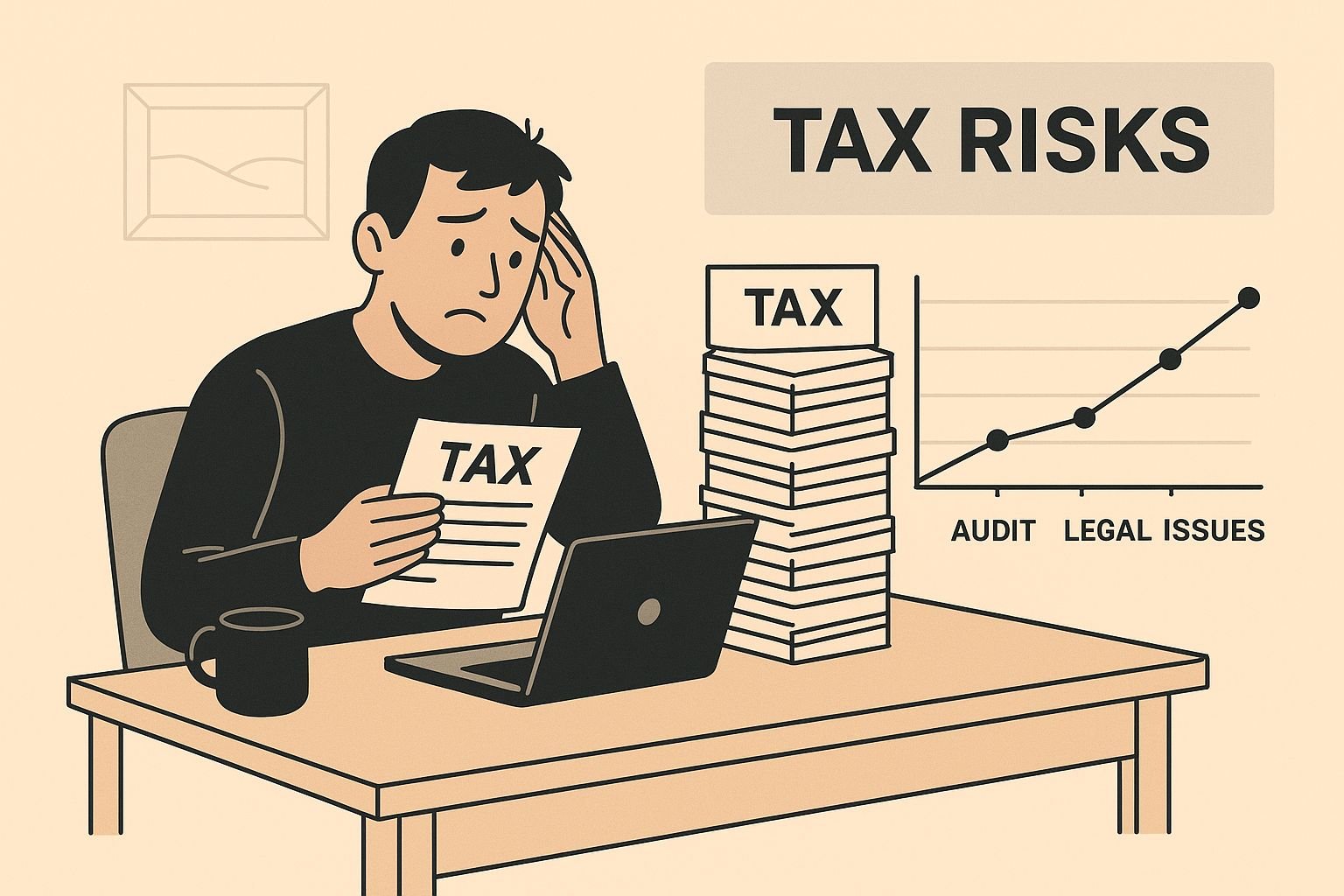
Failing to file your tax returns can have serious consequences that go beyond simply owing money. It can create a ripple effect, impacting your financial well-being and peace of mind.
Let's explore the broader consequences of unfiled tax returns and why addressing them is crucial for financial freedom.
Understanding the Scope of the Problem
The issue of unfiled tax returns presents a significant challenge for tax authorities worldwide. The IRS processes over 100 million tax returns annually, yet a substantial number of taxpayers fail to file. In 2025, the IRS received more than 101.4 million returns.
However, this figure doesn't include the millions of eligible taxpayers who didn't file. This widespread issue contributes to a significant portion of the tax base going unreported. This trend isn’t limited to the U.S. Globally, many countries grapple with non-filers and underreported income.
This lack of compliance stems from various factors, from a lack of awareness about tax obligations to financial constraints and misunderstanding of tax laws.
➥ More detailed statistics can be found here: Filing Season Statistics. This highlights the need for greater public awareness and educational programs to address this complex issue.
The Psychological Burden
Beyond the financial implications, unfiled tax returns often carry a heavy psychological burden. The weight of this unaddressed responsibility can lead to stress, anxiety, and even fear.
Many individuals avoid dealing with their unfiled returns due to the fear of owing a substantial amount, which further exacerbates the problem. This fear can be paralyzing, preventing individuals from taking the necessary steps to rectify the situation.
Identifying and Prioritizing Non-Filers
The IRS uses various methods to identify non-filers. They compare information received from employers (W-2 forms) and other payers (1099 forms) with the tax returns filed.
Discrepancies often indicate that a taxpayer hasn't fulfilled their filing obligations. The IRS prioritizes certain types of non-filers, particularly those with significant income or potential tax liabilities.
However, even those with lower incomes are not immune to IRS scrutiny. Protecting your online image becomes critical as you resolve tax issues.
➥ Consider strategies for online reputation management. Addressing unfiled returns proactively can mitigate the risks of more serious IRS enforcement actions.
➥ More information can be found here: A Complete Guide to Help with Unfiled Tax Returns. By understanding the IRS's methods and priorities, taxpayers can take proactive steps to regain compliance.
The True Cost of Procrastination: Penalties Explained
The image above shows someone overwhelmed by the thought of dealing with unfiled tax returns. It captures the stress and anxiety that can come with facing overdue filings.
The visual emphasizes the mental and emotional burden that often leads to inaction. However, delaying only makes the financial consequences worse.
Putting off filing your taxes can trigger a series of penalties that quickly increase what you owe. The IRS uses two main penalties: the failure-to-file penalty and the failure-to-pay penalty. This means you could be penalized for both failing to file and failing to pay.
Plus, interest grows on any unpaid taxes, compounding the issue. These penalties can be a significant percentage of your unpaid taxes.
Failure-to-File Penalty
The failure-to-file penalty is usually 5% of the unpaid taxes for each month or part of a month that your return is late. This penalty is capped at a maximum of 25%.
For example, if you owe $1,000 and file two months late, the penalty could be $100 (10% of $1,000). This penalty applies even if you don't owe any taxes, making filing essential regardless of your tax liability.
Failure-to-Pay Penalty
The failure-to-pay penalty is typically 0.5% of the unpaid taxes for each month or part of a month that the taxes are unpaid, up to a maximum of 25%.
If both the failure-to-file and failure-to-pay penalties apply during the same month, the total penalty for that month is limited to 5%. These charges can accumulate rapidly, making it vital to address outstanding tax debts promptly.
The financial repercussions of unfiled returns can be severe. The IRS issued over $211 billion in tax refunds in the 2025 filing season.
This highlights how much tax revenue is collected and the potential losses from underreporting. Many people who don't file might even be due a refund, making timely filing even more important.
The following table provides a breakdown of the penalties associated with unfiled tax returns and unpaid taxes.
IRS Penalties for Unfiled Tax Returns
A comprehensive breakdown of penalties and interest charges that can be assessed for unfiled returns and unpaid taxes.
| Penalty Type | Rate | Maximum Penalty | Notes |
|---|---|---|---|
| Failure-to-File | 5% per month or part of a month | 25% | Applies even if no tax is owed |
| Failure-to-Pay | 0.5% per month or part of a month | 25% | Combined with failure-to-file, capped at 5% per month |
As this table shows, the penalties for not filing and not paying can quickly accumulate. Addressing your tax obligations promptly can save you significant money.
Criminal Implications
While the IRS usually focuses on civil penalties, in some cases, intentionally failing to file can result in criminal charges. This is uncommon but underscores the importance of consistently meeting your tax obligations.
These situations typically involve an intent to defraud the government and can lead to substantial fines and even jail time. Therefore, taking proactive steps to address unfiled tax returns is crucial.
Why Smart People Fall Behind on Tax Filing

The image above shows a familiar scene: someone overwhelmed by the thought of dealing with unfiled tax returns. It illustrates the mental hurdles that keep many from tackling this crucial financial task.
This isn't just procrastination; even financially responsible people can face this problem. Several factors contribute, from fear and anxiety to practical obstacles. Falling behind on taxes doesn't mean someone lacks intelligence or financial responsibility.
The Fear Factor
One of the biggest obstacles is the fear of owing money. This fear can be so strong that it leads to avoidance, which only makes things worse. This is especially true for those expecting a large tax bill.
The unknown amount can feel impossible to overcome, stopping people from even assessing their situation. The fear of penalties and interest adds to this anxiety.
Life's Disruptions
Major life changes are another common reason. These can include job loss, illness, divorce, or the death of a loved one. During these tough times, managing taxes understandably takes a backseat.
These disruptions make it hard to focus on administrative tasks like gathering documents and filling out tax forms. For example, someone going through a divorce might be focused on legal and financial settlements, making tax filing a lower priority.
Documentation Challenges
The complexity of gathering necessary documentation can also be a hurdle. This is particularly true for the self-employed or those with complicated finances.
Finding old tax documents, receipts, and financial records can be time-consuming and frustrating. Moving or changing jobs makes it even harder to track down paperwork.
A lack of organization for financial records compounds the issue. If you own a business in New Zealand, you likely have tax questions. This resource answers some common ones: Common Tax Questions in New Zealand
Overcoming the Barriers
Understanding why you're behind on taxes is the first step to finding solutions. Identifying your specific challenges helps you create a plan.
This might involve getting professional help, breaking the process into smaller steps, or addressing the emotional roadblocks. By tackling these issues directly, you can regain control of your tax situation and reduce stress.
Your Back Tax Filing Roadmap: Step-by-Step Success

The image above shows someone starting to organize their tax documents. This first step is key to resolving unfiled tax returns. This guide will provide a practical, step-by-step process to tackle this often-overwhelming task.
We'll break it down into manageable steps, making it easier to address your unfiled returns and regain financial peace of mind.
Determine Which Years Require Filing
The first step is figuring out exactly which tax years need your attention. Review your records to see which returns are outstanding. While this might sound simple, life changes and the passage of time can complicate things.
Remember the IRS generally has a three-year statute of limitations for issuing refunds. However, there's no time limit for the IRS to collect unpaid taxes. This means you could owe taxes from years ago.
Gather Necessary Documentation
Once you know which years need filing, gather your documents. This includes W-2s for employment income, 1099s for other income, and any records of deductions or credits. Don’t panic if you can’t find the originals.
There are ways to retrieve the information you need. You can request wage and income transcripts directly from the IRS. These transcripts summarize your reported income, helping you accurately complete your returns.
Obtain the Correct Tax Forms
Using the correct tax forms is crucial for accurate filing. Download previous years' forms from the IRS website. Make sure you're using the right form for the specific tax year.
Forms like the 1040, the standard individual income tax return, are regularly updated. Using the wrong form can delay processing or lead to rejection. If you're unsure, consult a tax professional.
Understand IRS Relief Programs
The IRS offers programs to help people with unfiled tax returns. Programs like the Offer in Compromise (OIC) and the Partial Payment Installment Agreement (PPIA) can potentially reduce what you owe or make payments easier.
➥ For more details, check out this guide: IRS Back Taxes Payment Plan Strategies. Understanding these options helps you make informed decisions about resolving your tax debt.
Consider Professional Assistance
You can file back taxes yourself, but professional help can be invaluable, especially with complex situations.
Enrolled Agents (EAs) and Certified Public Accountants (CPAs) can guide you through the process, ensuring accuracy and the best possible outcome.
They can also represent you before the IRS, negotiating on your behalf to reduce penalties and interest. This expert guidance can offer peace of mind as you navigate the tax system.
For further assistance, consider this resource: The Ultimate Guide to IRS Back Taxes Payment Plan Strategies.
Submission and Follow-Up
Once your returns are finished, submit them correctly. Double-check everything to avoid errors and delays. Keep copies of your returns and supporting documents.
After submitting, track your returns' status on the IRS website.
This confirms receipt and highlights any further actions needed. Proactive submission and follow-up ensures a smoother process and minimizes potential issues.
The following table provides a handy overview of essential documents you might need when filing your back tax returns:
Documentation Needed for Filing Back Tax Returns: Essential records and where to obtain them when filing tax returns for previous years
| Document Type | Where to Obtain | Alternatives if Unavailable | Notes |
|---|---|---|---|
| W-2 Forms (Wage and Tax Statement) | Employer | IRS Wage and Income Transcript | Crucial for reporting employment income. |
| 1099 Forms (Various Income Types) | Payer of Income (Banks, Investment Firms, etc.) | IRS Wage and Income Transcript | Reports income other than wages, such as interest or dividends. |
| Tax Records (Previous Returns, Receipts) | Personal Files | Tax Professional or IRS | Useful for verifying deductions and credits claimed. |
| Bank Statements | Bank | Credit Card Statements | Helps reconstruct financial activity for the tax year. |
This table highlights the importance of maintaining good records and the resources available if original documents are lost. Gathering the right documentation is a crucial step in accurately filing your back taxes.
IRS Relief Programs: Your Pathway to Compliance
Facing unfiled tax returns can be a daunting experience. However, the IRS offers several programs designed to help you get back on track.
Many taxpayers are unaware of these options, which can significantly reduce penalties and simplify the process of regaining compliance.
This section will explore these programs and help you understand which one might be the right fit.
Voluntary Disclosure Program (VDP)
The Voluntary Disclosure Program (VDP) allows taxpayers to proactively disclose unfiled tax returns. By coming forward before the IRS contacts them, taxpayers can potentially avoid some of the stricter penalties.
This program offers a chance to take control of the situation and work towards a resolution. For instance, if you haven't filed for several years and are worried about the consequences, the VDP could provide a more manageable path to compliance.
Streamlined Filing Compliance Procedures
If you haven't filed for a few years and meet specific criteria, the Streamlined Filing Compliance Procedures might be a good option.
This process generally involves filing the last three years of tax returns and the last six years of FBARs (Foreign Bank Account Reports, if applicable).
This streamlined approach can significantly simplify the process. It's a quicker and easier way to become compliant than filing every single missing return.
Offer in Compromise (OIC)
An Offer in Compromise (OIC) lets certain taxpayers settle their tax debt for less than the full amount owed. This option is typically for those experiencing significant financial hardship and who are unlikely to be able to pay their full tax liability.
Although not specifically for unfiled returns, an OIC can be helpful if unfiled returns have resulted in a large tax debt.
The IRS considers factors like your ability to pay, income, expenses, and asset equity when evaluating an OIC.
➥ You might be interested in: How to master your IRS payment plan.
Partial Payment Installment Agreement (PPIA)
A Partial Payment Installment Agreement (PPIA) allows taxpayers to make monthly payments towards their tax debt, even if they cannot afford to pay the entire amount. Similar to an OIC, a PPIA is relevant when unfiled returns have created a significant tax debt.
This option helps manage your tax liability over time by providing a structured approach to repayment. This can offer some financial relief while working towards full compliance.
Choosing the Right Program
The most suitable program for your situation depends on your individual circumstances.
Factors to consider include the number of unfiled years, the total tax owed, your current financial situation, and whether or not the IRS has contacted you.
Consulting with a tax professional is recommended to determine the most appropriate program for your specific needs.
They can provide personalized guidance and help navigate the complexities of each program, including the application process and representation before the IRS.
Timing Your Compliance Efforts
Timing is critical when addressing unfiled tax returns. The sooner you address the issue, the better. Delaying action only increases penalties and interest. Also, specific programs may have deadlines or changing requirements.
Therefore, prompt action is essential to minimize potential negative outcomes. Proactive engagement with the IRS shows your commitment to resolving the issue.
When to Bring in the Professionals: Smart Representation
Dealing with unfiled tax returns can be stressful and confusing. While sometimes you can handle these situations on your own, knowing when to seek professional help can save you time, money, and worry. This section explains the roles of different tax professionals and helps you decide when their expertise is essential.
Understanding Your Options: CPAs, Enrolled Agents, and Tax Attorneys
Three main types of professionals can assist with unfiled tax returns: Certified Public Accountants (CPAs), Enrolled Agents (EAs), and tax attorneys. Each has unique qualifications and areas of expertise.
CPAs: CPAs are licensed professionals who have passed the Uniform CPA Examination and met state requirements. They offer various accounting and tax services, including preparing and filing tax returns, financial planning, and auditing. CPAs are a solid choice for general tax preparation and advice.
Enrolled Agents (EAs): EAs are federally authorized tax practitioners specializing in representing taxpayers before the IRS. They've demonstrated tax law expertise by passing a comprehensive IRS exam or through significant experience as an IRS employee. EAs are particularly helpful with IRS audits, collections, or appeals.
Tax Attorneys: Tax attorneys are lawyers specializing in tax law. They provide legal advice and can represent you in court if necessary. A tax attorney is a good choice if your tax situation involves complex legal issues or potential litigation.
For more guidance, see our guide on finding the right expert help for your tax debt situation.
Identifying When Professional Help is Necessary
Not every tax situation demands professional help. However, certain scenarios strongly suggest engaging an expert:
Multiple Unfiled Years: Having several years of unfiled tax returns significantly increases complexity and potential penalties. A professional can organize your records, file accurately, and potentially negotiate penalty reductions.
Significant Tax Debt: A large tax debt can feel impossible to manage alone. A professional can explore options like an Offer in Compromise (OIC) or a payment plan.
IRS Audits or Collections: Dealing with IRS audits or collection actions requires specialized knowledge of tax law and IRS procedures. A professional can represent you, protecting your rights and negotiating the best possible outcome.
Complex Tax Situations: If your taxes involve complicated investments, business ownership, or international transactions, professional expertise is crucial for ensuring compliance and minimizing potential liabilities.
Self-Employment or Business Ownership: Tax requirements for self-employed individuals and business owners are often more complex than for employees. A professional can help you navigate these requirements, maximize deductions, and reduce your tax burden.
Choosing the Right Professional
Selecting the right tax professional requires careful consideration. Ask these key questions:
What are your qualifications and experience? Verify their credentials and ensure they have relevant experience with situations similar to yours.
How do you communicate with clients? Clear and regular communication is vital. Choose a responsive professional who keeps you informed.
What is your fee structure? Understand their charges, whether it's an hourly rate, a flat fee, or a contingency fee.
Can you provide references? Talking to past clients can offer valuable insights into their professionalism and effectiveness.
Working with a Tax Professional: Representation and Powers of Attorney
After choosing a professional, a representation agreement outlines the scope of their services and your responsibilities. This agreement clarifies the terms of engagement and protects both parties.
You'll likely grant them Power of Attorney (POA), authorizing them to act on your behalf with the IRS. A POA can grant various levels of authority, from requesting documents to negotiating settlements.
Understand the extent of the POA before signing. Skilled professionals understand how to communicate effectively with the IRS, often achieving better outcomes than taxpayers could on their own.
They understand IRS procedures, regulations, and negotiation tactics, increasing the chances of a favorable resolution.
➥ Contact Attorney Stephen A. Weisberg for a free Tax Debt Analysis.
Contact Me Here: https://www.weisberg.tax/contact-1
Email: sweisberg@wtaxattorney.com
Phone/Text: (248) 971-0885
Address: 300 Galleria Officentre, Suite 402, Southfield, MI 48034
