Can a Pension Be Garnished? Retirement Protection Tips
Understanding When Your Pension Is Actually at Risk
Protecting your retirement is paramount. Understanding how and when your pension might be garnished is a critical part of that protection. The question of whether a pension can be garnished isn't straightforward.
The answer depends on several factors, including the type of pension you have, the federal and state laws that apply, and the specifics of any debt you might owe. This means some pensions are very well protected, while others are more accessible to creditors.
Decoding Pension Types and Their Vulnerability
Different retirement accounts offer different levels of protection. For example, 401(k) accounts, while designed for retirement, are generally more vulnerable to garnishment than traditional defined benefit pensions.
This is because 401(k)s are often governed by different rules than pensions protected by the Employee Retirement Income Security Act (ERISA).
In some instances, creditors can access 401(k) funds after they've been distributed to the account holder. For more information on protecting your pension, check out this helpful resource: How to master pension protection.
The sheer size of global pension funds highlights the potential impact of garnishment. These funds hold over $58.5 trillion in assets globally, representing 68% of the GDP of the 22 largest pension markets (P22).
This massive pool of money faces numerous risks, including potential garnishment stemming from financial obligations or legal judgments. The Thinking Ahead Institute offers more detailed statistics on global pension assets.
Federal and State Protection: A Complex Interplay
Federal laws, especially ERISA, provide substantial protection for many qualified pension plans. ERISA's anti-alienation clauses often shield these pensions from creditors.
However, these federal protections interact with state laws in complex ways. Some states offer further protection through homestead exemptions or specific retirement account laws.
Therefore, understanding both federal and state regulations is key to getting a complete picture of your pension's security.
Triggers for Garnishment: Knowing the Risks
Even with these protections, certain situations can jeopardize your pension. Unpaid federal taxes, for example, can result in IRS levies on retirement accounts.
Domestic relations orders connected to divorce or child support can also lead to the redirection of pension payments. These are critical triggers that retirees must be aware of to protect their retirement income.
Understanding these potential vulnerabilities is the first step in developing a strong pension protection strategy.
ERISA's Powerful Shield: Federal Protections That Actually Work
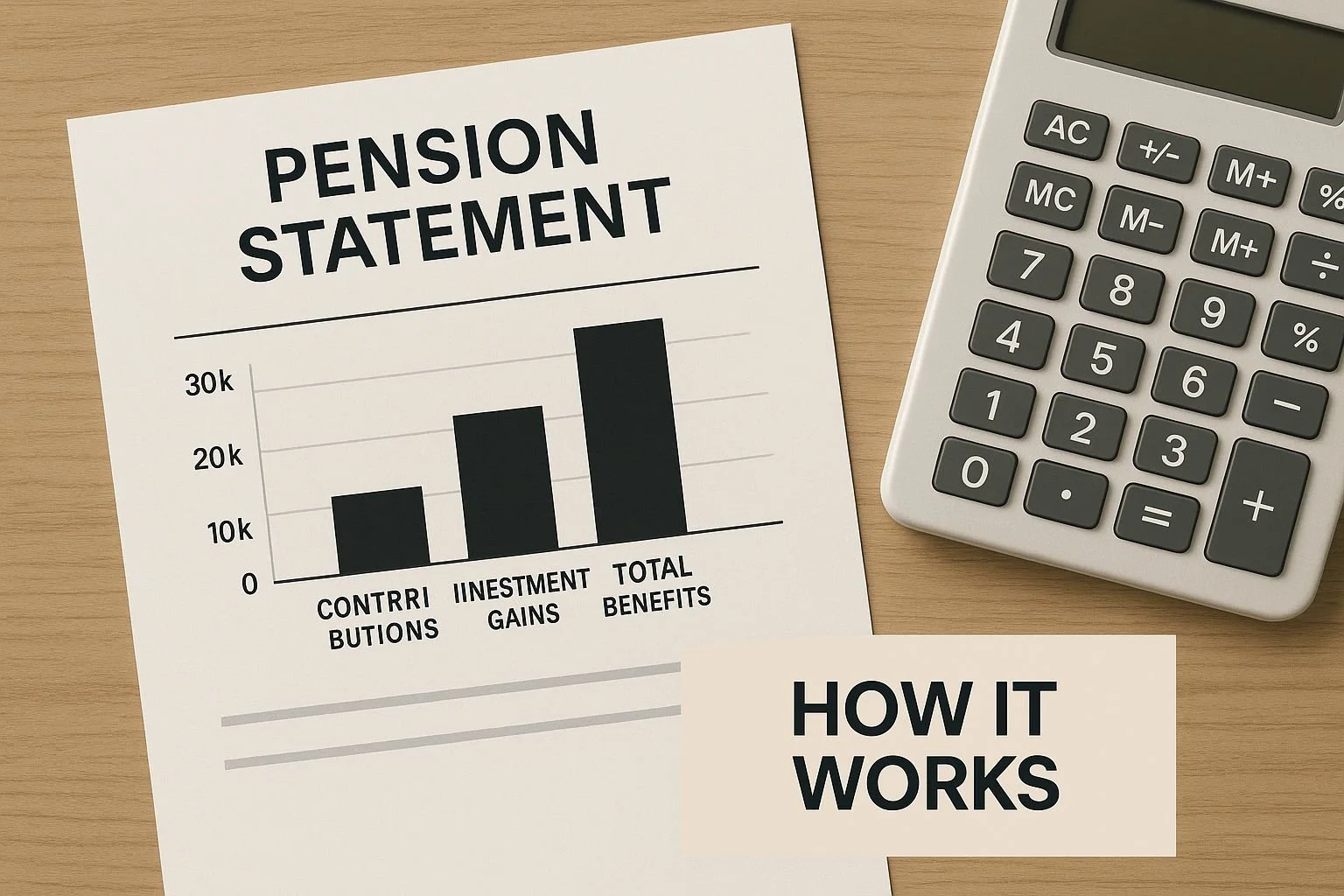
The Employee Retirement Income Security Act of 1974 (ERISA) provides significant protection for your retirement savings. It sets minimum standards for most private-sector retirement and health plans, safeguarding the interests of plan participants.
The anti-alienation provision within ERISA is particularly important, creating a strong barrier against creditors trying to access your qualified pension. This protection comes from ERISA's language preventing the assignment or alienation of plan benefits.
How ERISA Protects Your Pension
ERISA's protection is robust. Courts frequently dismiss creditor claims against ERISA-qualified pensions, emphasizing the law's intent: to secure a worker's financial future.
This typically means employer-sponsored defined benefit pension plans have greater protection than other assets, like bank accounts or even homes. This difference can be crucial for ensuring a comfortable retirement.
The complexity of pension calculations, combined with ERISA protections, makes it difficult for creditors to garnish these funds. This reinforces the significant security ERISA provides. However, it's essential to consider how federal protections interact with state laws, which can differ significantly.
Federal vs. State Laws: Understanding the Overlap
ERISA establishes a strong foundation, but state laws can enhance or weaken this protection. Some states provide additional safeguards for retirement assets, such as homestead exemptions or pension-specific statutes.
This means the same pension plan could have different levels of protection based on the retiree's state of residence. Understanding both federal and state regulations is crucial for assessing your pension's vulnerability.
Qualifying for Maximum Protection: Which Plans Are Covered?
Not all retirement accounts receive full ERISA protection. Many 401(k) plans are ERISA-covered, but their rules can differ from traditional defined benefit pensions.
Individual Retirement Accounts (IRAs) generally fall outside ERISA's scope, potentially increasing their vulnerability to creditors.
To accurately gauge your retirement plan's protection level, it's essential to understand its type. This knowledge allows for proactive planning and informed decisions about your retirement security.
The following table provides a simplified overview of federal protection levels for different retirement account types. Note that state laws can add further complexities.
Federal Protection Levels by Retirement Account Type
| Account Type | Federal Protection Level | Protected From | Exceptions |
|---|---|---|---|
| Qualified Defined Benefit Pension (ERISA-covered) | Generally strong | Creditors | Certain domestic relations orders, federal tax levies |
| 401(k) (ERISA-covered) | Generally strong, but can vary by plan | Creditors | Similar to defined benefit plans |
| IRA | Limited federal protection | Creditors | Varies significantly by state law |
This table highlights the key differences in federal protection afforded to various retirement accounts. While ERISA provides significant protection for qualified pensions and many 401(k)s, IRAs often rely more on state-level protections.
Consulting with a financial advisor can provide a more personalized understanding of your specific situation.
The Four Exceptions That Can Pierce Pension Protection
The Employee Retirement Income Security Act of 1974 (ERISA) generally protects your pension from creditors. However, there are four key exceptions where access to these funds is possible. Knowing these exceptions is crucial for safeguarding your retirement.
Exception 1: Federal Tax Levies
The Internal Revenue Service (IRS) can seize retirement funds to satisfy unpaid federal taxes. This means even ERISA-protected pensions are vulnerable if you have outstanding tax liabilities. Keeping up with your tax obligations is essential to avoid this.
Exception 2: Domestic Relations Orders
Domestic Relations Orders (DROs) are often issued in divorce or child support cases. They can legally mandate pension payments to an ex-spouse or dependent. This exception acknowledges the legal responsibility to support family members, even if it means bypassing standard ERISA protections.
Exception 3: Federal Student Loan Defaults
Federal student loan defaults are a growing issue. In the United States, policies allow the garnishment of benefits like Social Security to address these defaults.
Starting in the summer of 2025, individuals with defaulted federal student loans could see up to 15% of their monthly Social Security benefits garnished.
The Social Security Administration (SSA) can also withhold up to 50% of a beneficiary's Social Security check to recover past overpayments. More information can be found here: Trump's policy change poised to hit social security
While this example primarily impacts Social Security, it shows how government-administered benefits can be used to offset federal debts. Managing student loan debt responsibly is more important than ever.
Exception 4: Other Federal Debts
Beyond taxes and student loans, other federal debts may lead to pension garnishment. Certain criminal restitution or fines owed to the federal government could put your pension at risk.
This emphasizes the importance of careful financial planning and understanding the reach of federal collection efforts.
These four exceptions demonstrate that even ERISA protections have limitations. Understanding these vulnerabilities is the first step toward mitigating risk and protecting your retirement savings.
This knowledge helps individuals make informed choices about managing debt and securing their financial future.
Social Security Vs. Private Pensions: Why The Rules Differ

Retirement income isn't always equally protected from creditors. This is particularly evident when comparing Social Security benefits and private pensions.
Understanding these differences is essential for safeguarding your retirement funds. It's important to recognize how Social Security's status as a federal benefit creates both strengths and weaknesses compared to pensions provided by employers.
Social Security Garnishment: Limits And Triggers
While generally protected, Social Security benefits can be garnished in certain situations. Unpaid federal taxes and other federal debts can lead to garnishment.
The Social Security Administration (SSA) can also withhold up to 50% of benefits to recoup overpayments. These rules demonstrate Social Security's vulnerability to specific types of debt.
Private Pension Protection: The ERISA Advantage
Private pensions frequently have greater protection than Social Security, largely thanks to the Employee Retirement Income Security Act (ERISA).
ERISA's anti-alienation clauses often protect these plans from most creditors. This provides a significant safeguard not usually extended to Social Security benefits.
You might be interested in: Understanding Your Rights and Protections Regarding 401(k)s and the IRS.
Real-World Implications For Retirees
Retirees depending on both Social Security and private pensions need to carefully manage their finances. Someone with substantial private pension income might have more leeway in handling federal tax debt.
Their private pension could be better protected than their Social Security. This knowledge empowers retirees to make informed choices about debt management and asset protection.
Protecting Your Retirement Income: A Strategic Approach
Understanding the vulnerabilities and protections of each income source is critical for maximizing your retirement security. Knowing potential garnishment triggers, like outstanding federal taxes, allows for proactive planning.
Strategically timing pension distributions and responsible debt management can further protect your retirement income. This highlights the importance of a comprehensive retirement plan addressing both asset growth and protection.
State Laws That Strengthen Your Pension Defense
Federal laws like ERISA provide a baseline of protection for pensions. However, state laws can offer significant additional safeguards against garnishment, making your pension even more secure. Understanding both federal and state laws is essential for a complete picture of your retirement protection.
State-Specific Pension Protections
Many states have laws specifically designed to protect retirement accounts, often exceeding ERISA protections. For instance, some states provide unlimited protection for certain retirement plans, shielding them entirely from creditors.
State homestead exemptions, which protect a portion of your home's value, can sometimes extend to retirement accounts. This provides a powerful shield against financial hardship.
Wage Garnishment Limits: Indirect Pension Protection
Pensions are typically protected from garnishment as retirement income. However, the broader financial landscape can indirectly affect pension funds.
Corporate pension funding has improved, with the funded percentage rising from 98.5% to 101.1%, indicating a surplus in corporate pension plans. More detailed statistics are available in the 2025 Corporate Pension Funding Study.
State laws limiting wage garnishment can indirectly benefit your pension. By reducing the amount of wages subject to garnishment, these laws help ensure more income is available for retirement savings.
Bankruptcy Exemptions and Your Pension
State bankruptcy exemptions provide another layer of protection for your pension. These exemptions allow you to protect certain assets, including retirement funds, from liquidation during bankruptcy. This safety net preserves your retirement savings even when other assets are at risk.
Maximizing State-Level Protections: Strategies and Considerations
Moving between states during retirement can impact your pension's security. Pension protection laws vary significantly by state. Relocating to a state with stronger protections might improve your pension's security, while a move to a state with weaker laws could increase vulnerability.
Consider these factors when planning your retirement location. Understanding these variations and their potential impact is crucial for informed decisions about your retirement planning and financial security. For further insights, check out our guide on The Trust Fund Recovery Penalty.
You might also consider establishing a trust for your retirement assets. Trusts can sometimes provide additional protection depending on state laws and the trust's structure.
Consulting a financial advisor or estate planning attorney can provide personalized guidance on leveraging state laws to protect your pension.
Building an Unbreachable Pension Protection Strategy
Protecting your pension is crucial for a secure retirement. It requires a proactive approach, taking steps today to safeguard your income rather than waiting for potential issues to arise. This involves understanding the strategies financial planners and retirement specialists use to maximize pension protection.
Asset Protection Techniques: Shielding Your Retirement
Safeguarding your pension involves several legitimate asset protection techniques. One common method is maximizing contributions to ERISA-qualified retirement plans. These plans often provide greater protection than other assets.
Diversifying your retirement savings across various account types can also limit your risk. Combining a well-protected defined benefit pension with a less protected IRA, for example, can mitigate overall risk, creating a financial safety net.
For more information on protecting your income, check out this article: How to Stop IRS Wage Garnishment and Protect Your Income.
Beneficiary Planning: Preserving Your Legacy
Beneficiary planning plays a vital role in pension protection. Correctly designating beneficiaries can help protect assets from creditors. Listing a spouse as the primary beneficiary and children as contingent beneficiaries, for instance, can ensure funds pass directly to them, potentially avoiding probate and creditor claims. This protects your loved ones' financial future.
Timing Distributions Strategically: Minimizing Vulnerability
When you receive your pension distributions can significantly impact its vulnerability. Delaying distributions as long as possible keeps funds within the protected environment of a qualified plan, providing a layer of security.
Irrevocable Trusts: A Powerful Protection Tool
Irrevocable trusts can be powerful tools for pension protection. Assets within an irrevocable trust are generally not considered part of your estate, offering substantial protection from creditors.
However, setting up a trust has complexities and requires careful planning with an experienced estate planning attorney. This advanced planning is best suited for individuals with significant assets and concerns about future liabilities.
Debt Management: Preventing Garnishment Situations
Managing debt effectively is essential to preventing garnishment. Keeping debts under control reduces the likelihood of creditors taking legal action against your assets, including your pension. This proactive approach can prevent future financial difficulties.
Early Warning Signs: Identifying Potential Risks
Recognizing early warning signs of potential risk to your pension is also important. Frequent creditor calls or collection letters could indicate that your assets are at risk. Consulting a financial or legal professional at these early stages can help safeguard your retirement security.
To help understand different protection strategies based on varying levels of risk and debt, consider the following table:
Pension Protection Strategies by Risk Level
| Risk Level | Protection Strategy | Implementation Difficulty | Effectiveness Rating |
|---|---|---|---|
| Low | Maximizing contributions to ERISA-qualified plans | Low | High |
| Medium | Diversifying retirement savings across account types | Medium | Medium |
| High | Establishing an irrevocable trust | High | High |
The table above summarizes various pension protection strategies categorized by risk level. As risk increases, the complexity and effectiveness of the strategies also tend to increase. Consulting with a financial advisor can help you determine the best approach for your individual circumstances.
Building a robust pension protection strategy involves careful planning and understanding the available options. By implementing these strategies, you can significantly safeguard your retirement and build a more secure financial future.
Your Action Plan When Creditors Target Your Pension

When you receive a garnishment notice, acting quickly is critical to safeguarding your retirement. This action plan, based on successful defense cases and legal tactics, outlines the immediate steps you should take, how to claim exemptions, and when to seek professional help.
First Response: Assessing the Garnishment Notice
Upon receiving a garnishment notice, take the time to review it thoroughly. Identify the creditor, the amount claimed, and the targeted account.
This initial assessment helps you understand the seriousness of the situation and determine your next steps. For instance, a notice targeting a 401(k) might require a different strategy than one directed at a traditional pension.
Claiming Pension Exemptions: Protecting Your Retirement
Your next step is to assert any applicable pension exemptions. The Employee Retirement Income Security Act of 1974 (ERISA) offers substantial protection for many pensions, shielding them from creditors.
State laws often provide additional exemptions. Properly documenting these exemptions is crucial for a successful defense. This might involve gathering plan documents, state exemption statutes, and any relevant court orders.
Legal Representation: When to Seek Professional Help
Deciding whether to handle the garnishment yourself or hire an attorney is a key decision. If the amount is small and the exemption is clear, you might manage it independently.
However, complex situations, aggressive creditors, or substantial amounts often require professional legal advice. An attorney can navigate legal complexities and ensure your rights are protected.
Gathering Documentation: Proving Your Case
Assembling the correct documentation is essential for demonstrating your pension’s protected status. This may include:
Pension plan documents: These detail the plan type and its ERISA status.
State exemption statutes: These outline the specific protections offered by your state.
Court orders: Relevant orders related to divorce, child support, or bankruptcy.
Having this documentation readily available strengthens your defense.
Challenging Improper Garnishments: Time Is of the Essence
There are deadlines for challenging an improper garnishment. Missing these deadlines can negatively affect your defense. This means prompt action is essential. An attorney can advise you on these deadlines and ensure the timely filing of any necessary legal responses.
Affordable Legal Assistance: Resources for Retirees
Several resources offer affordable legal assistance for seniors facing garnishment. Legal aid societies, bar associations, and pro bono programs can provide support and guidance. Access to this legal expertise can be invaluable in protecting your retirement income.
Recovering Improperly Seized Funds: Reclaiming Your Assets
If funds have already been garnished improperly, there are ways to recover them. This typically involves legal action to reverse the garnishment and return the seized assets. This requires careful documentation and a strong legal argument.
Preventing Future Garnishments: Proactive Strategies
Preventing future garnishments involves implementing proactive financial strategies. This includes responsible debt management, maximizing contributions to protected retirement plans, and understanding your state's exemption laws. This proactive approach offers a strong defense against future creditor claims.
A successful defense against pension garnishment requires careful planning, quick action, and a clear understanding of your rights and protections. Don't let creditors jeopardize your retirement. Contact Attorney Stephen A. Weisberg today for a free consultation. We can help you navigate the complexities of pension garnishment and protect your financial future.
➥ Contact Attorney Stephen A. Weisberg for a free Tax Debt Analysis.
Contact Me Here: https://www.weisberg.tax/contact-1
Email: sweisberg@wtaxattorney.com
Phone/Text: (248) 971-0885
Address: 300 Galleria Officentre, Suite 402, Southfield, MI 48034
